
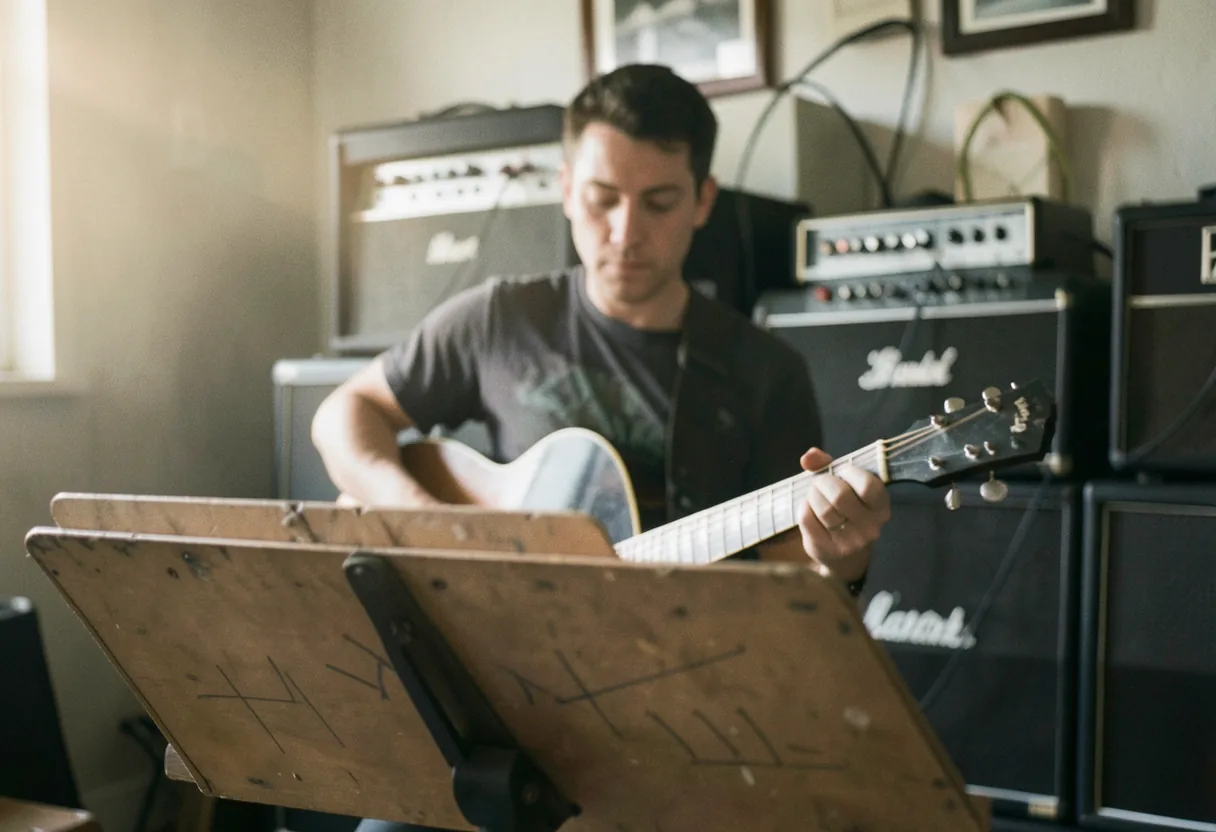
Local music stores, pawn shops, and online platforms like Reverb, Craigslist, or Facebook Marketplace often buy used musical instruments. Check Guitar Center’s trade-in program or local classifieds for buyers. Always verify credibility before selling.
01How to evaluate the condition of your instrument
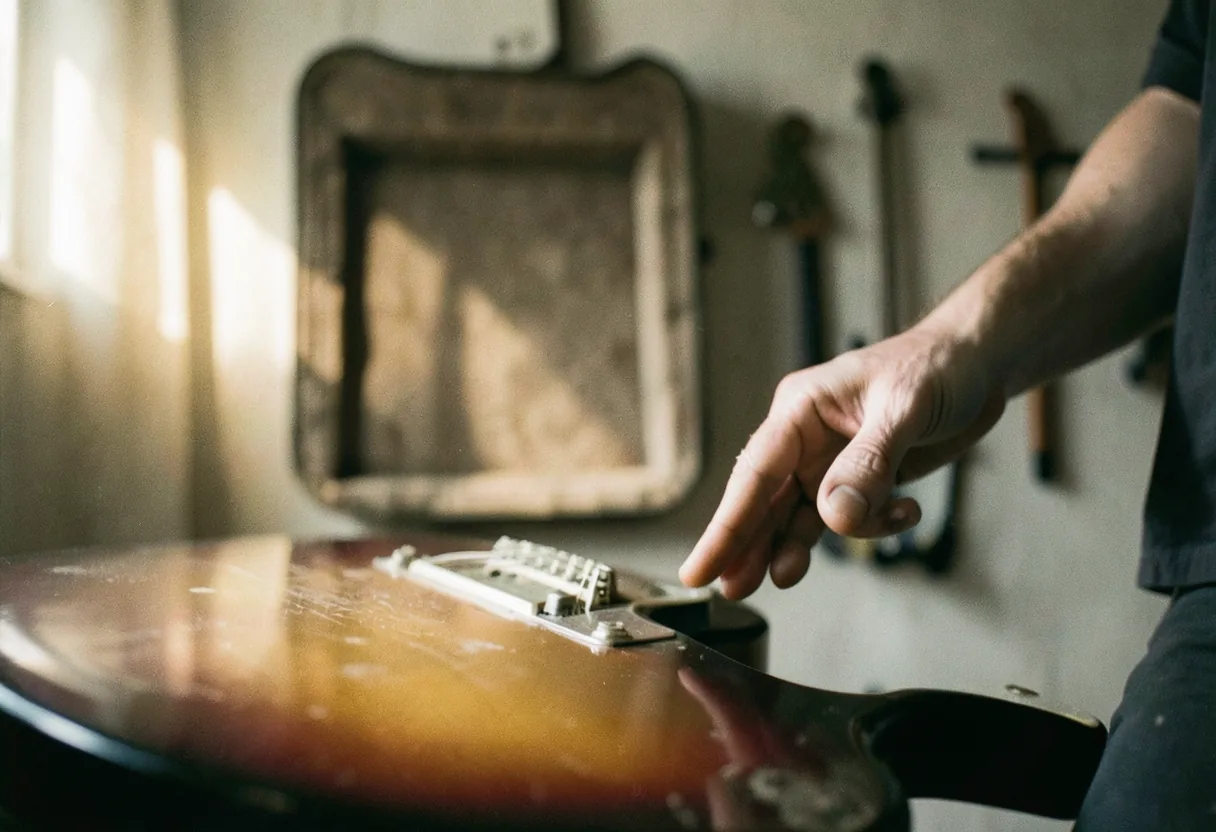
Evaluating the condition of your instrument is crucial for setting a fair price and attracting serious buyers. Start by inspecting the physical condition: look for dents, scratches, or signs of wear on the body, neck, and hardware. For stringed instruments, check the frets for wear and the neck for straightness. For woodwind or brass instruments, inspect the pads, keys, or valves for leaks or damage. Playability is equally important, ensure the instrument is in good working order, with no buzzing, intonation issues, or other problems. If you’re unsure, consider hiring a professional technician to assess the instrument. This investment can pay off by building trust with potential buyers and justifying a higher price.
The first time I really looked at this market, I realized it’s like a thriving secondhand bookstore but for musicians, every instrument has a story, and someone’s always looking for their next chapter.
Imagine you’re a chef with a kitchen full of rarely used gadgets. You’d want to sell them to someone who appreciates them, like a fellow chef or a specialty store. That’s exactly how selling used musical instruments works.
Key facts
- Local music stores, online marketplaces, and specialized platforms like Reverb and GearTree are common buyers.
- Sweetwater’s Gear Exchange is a popular avenue for selling used instruments, with over 100,000 used items listed annually.
- Prices can range from 30% to 70% of the original retail price, depending on condition and demand.
- Selling privately can yield higher profits but requires more effort in marketing and verification.
02What you need
- Your instrument, its original manual, and any accessories
- Documentation of purchase and maintenance history
- High-quality photos and a detailed description
- Proof of identity (for security and verification)
- Patience and flexibility for negotiations
03Step-by-step procedure
- Research the market value of your instrument using platforms like Reverb, Sweetwater Gear Exchange, or eBay to set a competitive price.
- Prepare your instrument by cleaning it, replacing worn-out parts, and ensuring it’s in optimal playing condition.
- Choose your selling platform, local music stores, online marketplaces, or specialized services like the Sweetwater Gear Exchange Login and Process.
- Create a compelling listing with clear, well-lit photos and a detailed description, including brand, model, age, and condition.
- Set a fair price, considering the instrument’s condition, market demand, and your research.
- Promote your listing through social media, local music forums, or word-of-mouth to reach potential buyers.
- Communicate openly with interested buyers, answering questions and providing additional photos if requested.
- Negotiate politely but firmly, being open to reasonable offers while knowing your minimum acceptable price.
- Finalize the sale securely, using platforms with buyer protection or meeting in safe, public places for local sales.
04Common mistakes to avoid
Overpricing your instrument based on emotional value rather than market reality. Ignoring the condition of your instrument, as buyers will notice wear and tear. Not providing a clear, detailed description, leading to misunderstandings and wasted time. Failing to vet potential buyers, which can result in scams or unsafe transactions. Neglecting to include accessories or original documentation, which can significantly reduce the instrument’s value.
05Who buys used musical instruments near me: Local music stores
Local music stores are often the first stop for selling used instruments. They typically offer in-store credit or cash, and some even provide appraisals. For example, Guitar Center has a trade-in program where you can exchange your used gear for store credit. However, they might offer lower prices compared to online platforms. Always call ahead to inquire about their buying policies and bring all relevant documentation.
06Sweetwater Music Store locations and services
Sweetwater, one of the largest online music gear retailers, also has a physical store in Fort Wayne, Indiana. Their Sweetwater Gear Exchange Login and Process program is a popular choice for selling used instruments. They offer competitive prices, free shipping, and a 55-day return policy for buyers. If you’re near their location, visiting in person can provide a seamless selling experience. For those not nearby, their online platform is user-friendly and well-regarded in the music community.
07Best online music stores for selling used instruments
Online marketplaces offer a broader reach and potentially higher prices. Reverb is a favorite among musicians, known for its user-friendly interface and large community of buyers. GearTree focuses on high-end used gear, providing professional photos and descriptions for sellers. eBay is another option, though it requires more effort in managing listings and buyer interactions. Each platform has its fees and policies, so research is key.
08Sweetwater Gear Exchange login and process
To sell on Sweetwater’s Gear Exchange, start by creating an account and logging in. Once logged in, click on “Sell Gear” and follow the prompts to list your instrument. You’ll need to provide details like the brand, model, year, and condition. Sweetwater’s team will review your listing, and once approved, it will be live on their site. They handle shipping and customer service, making the process smooth for sellers. Check out the Sweetwater Gear Exchange Login and Process for a step-by-step guide.
09Used musical instruments store near me
Finding a used musical instrument store near you can be as simple as a quick online search. Websites like Yelp or Google Maps can help locate local stores with good reviews. Additionally, music schools and community centers often have bulletin boards with listings from individuals selling instruments. Don’t forget to check social media groups dedicated to local music scenes, as these can be goldmines for finding reputable buyers.
10Top new musical instruments and gear
Staying updated on the latest instruments and gear can help you price and market your used items effectively. For instance, new releases from major brands like Fender, Gibson, and Yamaha often influence the demand for used models. Keeping an eye on music gear blogs, YouTube channels, and industry magazines can provide insights into trending products and technologies. This knowledge can give you an edge when negotiating with buyers.
11Plenty of ways to score great gear
There are numerous avenues to sell your used musical instruments, each with its advantages. Local music stores offer convenience and quick transactions, while online platforms provide broader exposure and potentially higher prices. Specialized services like Sweetwater’s Gear Exchange combine the best of both worlds, offering professional support and a vast buyer network. Exploring multiple options can help you find the best deal for your instrument.
12Your research destination
Before listing your instrument, conduct thorough research to understand its market value and demand. Visit websites like Reverb, Sweetwater, and eBay to compare prices of similar items. Check forums and social media groups for discussions on used gear. The more informed you are, the better you can price and market your instrument. Remember, knowledge is power in the used music gear market.
13Understanding the impact of brand and model on resale value
The brand and model of your instrument significantly impact its resale value. Established brands like Fender, Gibson, and Taylor generally retain higher resale values due to their reputation for quality and durability. For example, a used Fender Stratocaster might sell for a higher percentage of its original price compared to a lesser-known brand. Similarly, models that are highly sought after by musicians, such as the Gibson Les Paul or the Yamaha C Series acoustic guitars, often command better prices. Researching the popularity and demand for specific brands and models can help you set a competitive price and attract the right buyers.
14Documentation and authenticity
Having proper documentation can significantly increase the value and appeal of your instrument. Original purchase receipts, maintenance records, and any certificates of authenticity are highly valued by buyers. For vintage or collectible instruments, ownership history can be crucial. If your instrument comes with its original case, manuals, or accessories, include them in the sale. These items not only add value but also demonstrate that the instrument has been well cared for. When listing your instrument, mention any included documentation or accessories to attract serious buyers.
15Vintage and collectible instruments
Vintage and collectible instruments often command premium prices due to their rarity, historical significance, or unique features. If you own a vintage instrument, such as a 1950s Fender Stratocaster or a rare Gibson Les Paul, it’s essential to authenticate its age and condition. Consulting with experts or appraisers can help you determine the true value of your instrument. Platforms like Reverb and often have dedicated sections for vintage gear, attracting collectors willing to pay top dollar. Ensure you provide detailed photos, including serial numbers and any unique markings, to build trust with potential buyers.
16Online platforms and their fees
Understanding the fees associated with different online platforms is crucial for maximizing your profit. Each platform has its own fee structure, which can impact the final amount you receive from the sale. For example, Reverb charges a 7% commission on sales, while eBay’s fees can range from 10% to 15% depending on the category. GearTree’s fees vary by item but often include professional photos and descriptions, which can justify the higher costs. Sweetwater’s Gear Exchange charges a 15% commission but offers additional services like free shipping and a 55-day return policy. Carefully consider these fees and services when choosing the best platform for your needs.
- Research the fee structures of different online platforms.
- Consider the additional services offered by each platform.
- Choose the platform that best suits your needs and maximizes your profit.
When selling your used musical instruments, focus on transparency, patience, and thorough research. By understanding who buys used musical instruments near me and leveraging the right platforms, you can achieve a successful and rewarding sale.
17Frequently asked questions
What’s the best platform to list a used guitar locally?
Facebook Marketplace works well for guitars. List with clear photos, the make/model (e.g., Fender Stratocaster), year, condition, and price. Include details like ‘original hard case’ or ‘new strings installed’ to attract serious buyers.
How do I set a competitive price for a used piano?
Check recent sold listings on Craigslist or Reverb for similar pianos. Adjust for condition: a 10-year-old Yamaha U3 in good shape might list for $3,500, while a worn-out upright could go for $800.
Should I sell a used drum set privately or to a music store?
Music stores offer quick cash but lowball prices. Private sales (e.g., via local music forums) may fetch more. For a Pearl Export set, expect $400-$600 privately versus $250-$350 from a store.
How can I verify a buyer’s seriousness before meeting?
Ask for a deposit via PayPal or Venmo. For high-value items like a vintage violin, request proof of funds. Meet in a public place, like a coffee shop parking lot, and bring a friend.