
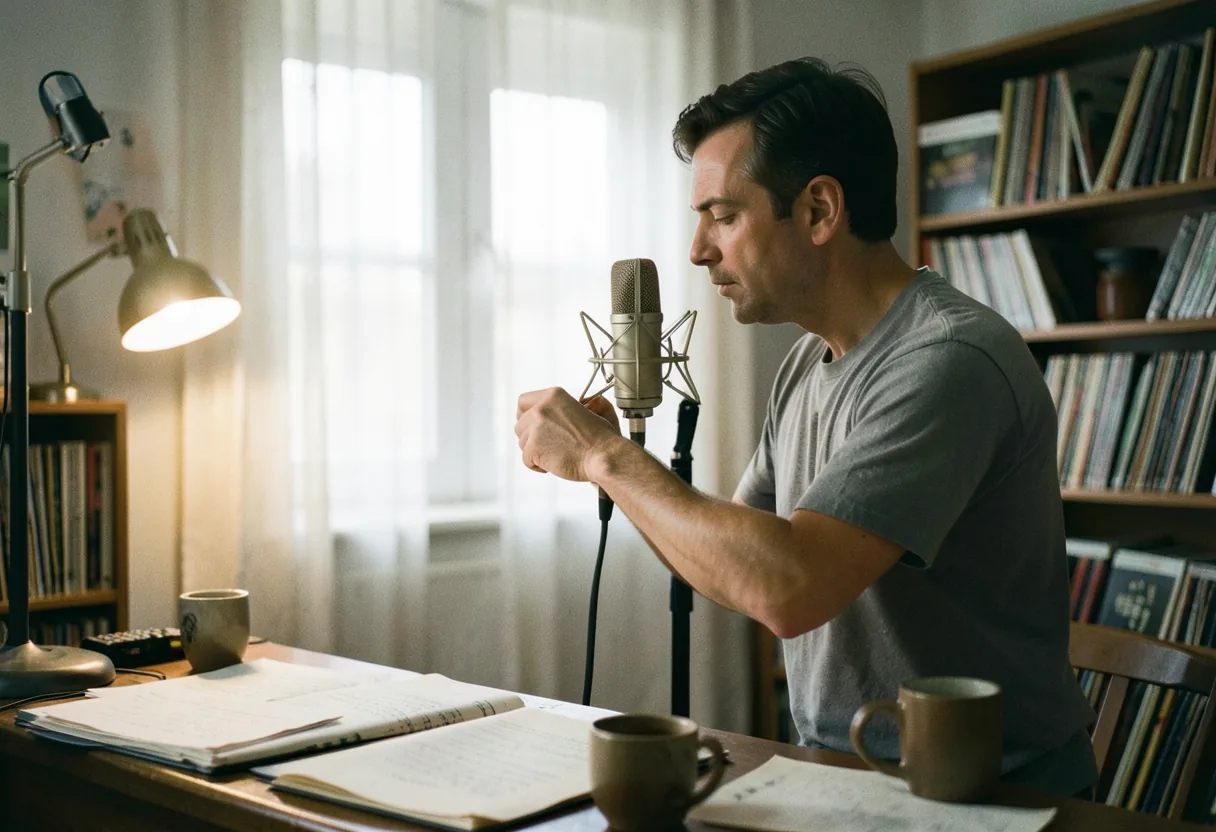
The Shure SM7B is a top choice for home vocal recording, favored by professionals like Joe Rogan. For budget-conscious beginners, the Audio-Technica AT2020 offers excellent value. Condenser mics like the Rode NT1-A provide crisp clarity, ideal for capturing detailed vocals in acoustically treated spaces.
The best microphones for recording vocals at home are essential tools for any musician or podcaster looking to achieve studio-quality sound without leaving the house.
Choosing the right microphone is like finding the perfect paintbrush for an artist, it shapes the clarity, warmth, and emotional resonance of your voice, turning a simple recording into a powerful performance.
Key facts
- Condenser microphones are ideal for capturing vocal nuances due to their sensitivity.
- Dynamic microphones are more durable and better suited for loud environments.
- USB microphones offer plug-and-play convenience, making them great for beginners.
- XLR microphones provide superior sound quality but require additional equipment like audio interfaces.
When selecting the best microphone for home recording, consider factors such as microphone type, connectivity, polar patterns, and budget. Each type of microphone has its strengths, and the right choice depends on your specific recording needs and environment.
01Best microphones for recording vocals at home
The best microphones for recording vocals at home include a mix of condenser, dynamic, and USB microphones. Condenser microphones are known for their detailed sound, making them perfect for capturing the subtleties of vocals. Dynamic microphones, on the other hand, are robust and can handle high sound pressure levels, making them suitable for loud recording environments. USB microphones offer ease of use and are ideal for beginners who want to start recording without investing in additional equipment like audio interfaces.
Here are some of the top options available:
02Audio-Technica AT2020
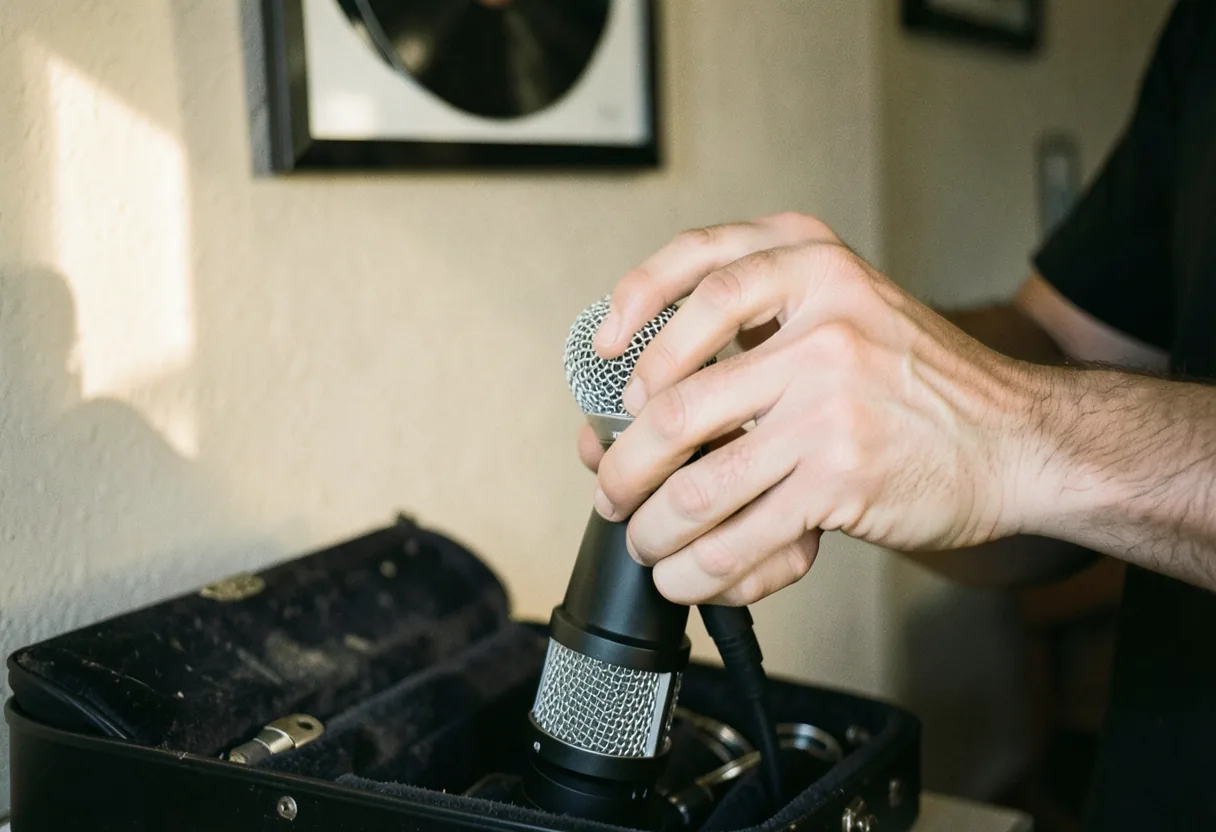
The Audio-Technica AT2020 is a popular choice among home recordists due to its affordability and high-quality sound. This condenser microphone is perfect for capturing detailed vocal performances and is widely used in home studios. Its cardioid polar pattern helps isolate the sound source, reducing background noise.
One drawback of the AT2020 is that it requires phantom power, which means you’ll need an audio interface or a mixer that provides 48V of phantom power. This adds an extra cost if you don’t already have the necessary equipment.
03Shure SM58
The Shure SM58 is a classic dynamic microphone known for its durability and reliable performance. It’s a favorite among live performers and is also a great option for home recording, especially if you’re recording loud instruments or singing with a lot of energy.
The SM58’s cardioid polar pattern helps focus on the vocals while minimizing background noise. However, its sound may lack the high-frequency detail that condenser microphones offer, making it less ideal for capturing subtle vocal nuances.
04Rode NT-USB
The Rode NT-USB is a versatile condenser microphone that connects directly to your computer via USB, making it a great choice for beginners who want a simple setup. It features a cardioid polar pattern and comes with a pop filter and tripod stand, providing everything you need to start recording right out of the box.
One potential downside is that the NT-USB may not offer the same level of audio quality as higher-end XLR microphones, but for its price and ease of use, it’s an excellent option for home recording.
05Blue Yeti
The Blue Yeti is a versatile USB condenser microphone that offers multiple polar patterns, making it suitable for a variety of recording scenarios. Its cardioid pattern is ideal for vocal recordings, while the other patterns allow for flexibility in different setups.
The Yeti is known for its plug-and-play convenience and high-quality sound, but it can be somewhat bulky and may not be as portable as other options. Additionally, its sensitivity can pick up background noise, so it’s best used in a quiet environment.
06How to choose
- Microphone Type: Decide between condenser and dynamic microphones based on your recording needs. Condenser microphones are ideal for detailed vocal recordings, while dynamic microphones are better for loud environments.
- Connectivity: Choose between USB and XLR microphones. USB microphones offer plug-and-play convenience, while XLR microphones provide superior sound quality but require additional equipment like audio interfaces.
- Polar Pattern: Consider the polar pattern of the microphone. Cardioid patterns are great for isolating vocals, while omnidirectional patterns are better for capturing ambient sounds.
- Budget: Determine your budget and look for microphones that offer the best value within your price range. There are excellent options available at various price points, from affordable entry-level microphones to high-end professional models.
07Where to buy
When looking for the best microphones for recording vocals at home, consider reputable music stores like Sweetwater, Guitar Center, or Amazon. These stores offer a wide selection of microphones and often provide customer reviews and expert advice to help you make an informed decision.
Sweetwater, in particular, is known for its excellent customer service and a wide range of musical instruments and gear. You can visit their online store or check out their physical locations for a hands-on experience before making your purchase.
08Tips for setting up your home studio
Setting up your home studio involves more than just choosing the right microphone. Here are some tips to help you create an optimal recording environment:
- Room Treatment: Treat your recording space to minimize echoes and background noise. Use acoustic panels, bass traps, and diffusers to improve sound quality.
- Microphone Positioning: Experiment with microphone placement to find the sweet spot for your vocals. The proximity effect can add warmth to your voice, but too close can introduce plosives and popping sounds.
- Audio Interface: Invest in a good audio interface to ensure high-quality sound capture. Interfaces like the Focusrite Scarlett series are popular among home recordists for their reliability and performance.
- Cables and Accessories: Use high-quality XLR cables and accessories like pop filters and shock mounts to enhance your recording setup.
09Maintenance and care
Maintaining your microphone is essential for ensuring its longevity and optimal performance. Here are some tips for caring for your microphone:
- Cleaning: Regularly clean the microphone grille and body to remove dust and debris. Use a soft brush or a microfiber cloth for cleaning.
- Storage: Store your microphone in a protective case or pouch when not in use to prevent damage.
- Avoid Moisture: Keep your microphone away from moisture and humidity to prevent corrosion and damage to the internal components.
By following these tips, you can ensure that your microphone remains in excellent condition and continues to deliver high-quality sound for your recordings.
10Comparing Popular Microphones
To help you make an informed decision, here’s a comparison of some popular microphones for home recording:
11Advanced Recording Techniques
Once you have your microphone set up, it’s time to explore advanced recording techniques to enhance your vocal recordings. Here are some tips to take your recordings to the next level:
- Double Tracking: Record your vocals twice and blend them together to create a thicker, more powerful sound. This technique is commonly used in professional studios to add depth to vocal tracks.
- Layering: Layer multiple takes of your vocals to create harmonies or backup vocals. This can add richness and complexity to your recordings.
- Compression: Use a compressor to even out the dynamics of your vocal recordings. This helps maintain a consistent volume level and adds punch to your vocals. Popular compressors include the and the .
- EQ: Apply equalization to shape the tone of your vocals. Cut unwanted frequencies and boost the ones that enhance the clarity and presence of your voice. The monitors are great for accurate EQ adjustments.
The first time I really looked at advanced recording techniques, I was amazed at how much they could transform a simple vocal track. For example, double tracking can make your vocals sound fuller and more professional, while layering can add depth and texture.
12Final thoughts
Choosing the best microphones for recording vocals at home involves considering factors like microphone type, connectivity, polar patterns, and budget. Whether you opt for a condenser, dynamic, or USB microphone, there are excellent options available to suit your needs. Investing in a quality microphone and setting up your home studio properly will significantly improve the sound quality of your recordings, helping you achieve professional results.
For more information on home recording gear, check out our guides on Best Audio Interfaces for Home Recording, How to Mic an Acoustic Guitar for Studio, and USB vs XLR Microphones for Podcasting. Happy recording!
For further reading on audio engineering and recording techniques, explore resources from institutions like the or books like “The Mixing Engineer’s Handbook” by Bobby Owsinski, available on .
13Frequently asked questions
What's the best budget microphone for home vocal recording?
The Audio-Technica AT2020 USB+ is a solid choice under $150. It's a cardioid condenser mic with a USB output, perfect for beginners. It captures clear vocals and connects directly to your computer, no audio interface needed. Just plug it in and start recording.
Do I need an audio interface for recording vocals at home?
Not always. USB microphones like the Shure MV7 or Rode NT-USB can connect directly to your computer. However, an interface like the Focusrite Scarlett 2i2 offers better sound quality and flexibility. It allows you to use XLR mics and provides phantom power for condenser mics.
What's the difference between dynamic and condenser microphones for vocals?
Dynamic mics like the Shure SM7B are rugged and handle loud sounds well. They're great for live performances and loud vocalists. Condenser mics like the Neumann TLM 102 offer superior detail and sensitivity, ideal for capturing subtle nuances in a quiet home studio. They need phantom power.
How can I improve my vocal recordings at home?
Start with proper mic placement, about 6-12 inches from your mouth. Use a pop filter to reduce plosives. Treat your recording space with acoustic foam or blankets to reduce echoes. Software like Adobe Audition or Audacity can help with post-processing. Always monitor with headphones to catch issues in real-time.